House arrest operations
Home Detention Monitoring Programs
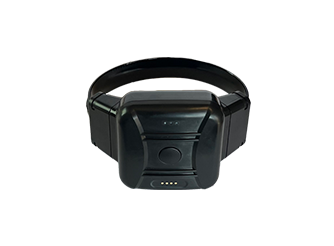
Home detention monitoring programs: private operator perspective
Home detention monitoring programs—often overlapping with house arrest orders—translate judicial intent into schedules, sensors, and accountable records. Private monitoring companies frequently implement these programs for courts, sheriffs, or pretrial divisions, pairing RF home presence with GPS ankle monitor away tracking or relying on modern one-piece cellular ankle monitor architectures that cover both curfew and movement with assisted indoor positioning.
This implementation guide speaks to operators who must keep defendants compliant without drowning staff in false alerts. We cover program design, hardware options, staffing, metrics, and stakeholder communications. Readers new to wearables should begin with complete ankle monitor guide on ankle-monitor.com, then study procurement criteria in GPS ankle monitor buying guide.
Internal links: bail bond GPS monitoring, GPS tracking pretrial services, defendant GPS tracking compliance, and home detention vs incarceration for policy framing your customers will recognize.
House arrest and home detention: definitions operators use in the field
House arrest typically means court-ordered restriction to a residence except for enumerated activities (work, medical, worship, legal appointments). Home detention language varies by jurisdiction—sometimes synonymous with house arrest, sometimes implying electronic enforcement rather than passive orders. Your contracts should echo judge-authored terms to avoid mismatched expectations.
Regardless of label, the operational problem is the same: prove nighttime presence, authorize daytime corridors, and flag tamper or abscond attempts quickly. The electronic ankle bracelet is the sensor edge; your platform is the brain.
Architectures: RF base + GPS versus one-piece LTE-M ankle monitors
Traditional home detention stacks use an RF base station and an ankle monitor tether proving proximity during curfew. Daytime movement may rely on a separate cellular GPS ankle monitor puck—two batteries, two failure domains. Modern one-piece designs aim to collapse complexity: a single IP68-rated GPS ankle monitor on the ankle with LTE-M/NB-IoT backhaul, WiFi/LBS assists for indoor plots, long battery life (manufacturer-published CO-EYE ONE standalone claims approach about seven days at conservative reporting), and fiber optic tamper integrity marketed as zero false-positive strap cuts.
Pilot both architectures in target housing stock. Steel-reinforced apartments may break naive GNSS assumptions; RF bases may suffer outlet issues in older homes. Document comparative dropout minutes before you commit a county-wide house arrest contract.
Schedule authoring: templates, exceptions, and court amendments
Build reusable templates for standard work releases, school schedules, and treatment cadences. Each template should reference the signed court order page. When defense requests a one-off exception, enter it before movement occurs—retroactive geofence edits erode credibility in home detention hearings.
Align timezone handling: store UTC, display local, note DST transitions in cover letters. Judges hate ambiguous timestamps on ankle monitor exhibits.
Installation and enrollment for home detention monitoring programs
Field techs should photograph RF outlet context, verify cosigner understanding, test live maps, and teach shower rules for IP68 GPS ankle monitor wear. Snap-on installs (some one-piece devices advertise under three seconds tool-free) reduce parking-lot friction. Log strap size, skin checks, and translator use when applicable.
Provide quick-start cards in multiple languages; house arrest defendants often absorb information poorly on day one of release. Follow up at 48 hours to catch charging misbehaviors early on two-piece systems.
24/7 monitoring desks for house arrest programs
Staff curfew transitions heavily—the thirty minutes after start time are highest leverage for phone confirmations. Combine RF presence with GPS ankle monitor assists when available. Train operators to distinguish tower drift from true breaches.
Escalate repeated technical issues to engineering; do not blame defendants by default. Home detention succeeds when participants trust the process enough to call before problems metastasize.
Stakeholder communications: judges, victims, employers, cosigners
Judges want predictable reporting cadences. Victim services may need proactive notifications for proximity alerts—follow statutes. Employers want minimal drama; supply neutral compliance letters. Cosigners fund many house arrest programs; treat them as partners with clear escalation numbers.
Cost structure and hardware depreciation
Model capex for GPS ankle monitor spares, base stations, UPS backups, SIMs, and shipping. Opex includes staffing, insurance, software seats, and carrier data. User fees often land in industry bands around $5–$25 per day depending on features—always validate against local fee rules. Compare lifecycle costs of one-piece vs two-piece for home detention; labor saved on false tampers may dwarf hardware deltas.
Quality metrics specific to home detention monitoring programs
Track curfew adherence, technical dropout minutes per hundred participant-days, median alert acknowledgement time, swap turnaround, and cosigner complaints. Segment metrics by housing type (single-family vs multifamily). Use improvements to justify upgrades aligned with GPS ankle monitor buying guide priorities.
Failure modes: power loss, strap tamper, and ambiguous maps
RF bases drop when breakers trip; UPS mitigates. Strap tamper on fiber systems should be investigated urgently; conductive false positives should trigger vendor tickets, not warrant requests. Ambiguous maps deserve technician visits with calibrated test walks—not guesswork.
Training curriculum for staff and participants
Staff train on evidence hygiene, empathy, and hardware swaps. Participants train on schedules, charging, legal boundaries, and supports. Refresh quarterly. Link conceptual learning to complete ankle monitor guide materials for consistent vocabulary about the electronic ankle bracelet.
Scaling home detention monitoring programs across counties
Standardize SOPs, inventory SKUs, and reporting templates before adding jurisdictions—variation kills QA. Maintain centralized spare pools with SLA-backed shipments. Reference defendant GPS tracking compliance for cross-program operational alignment and GPS tracking pretrial services when house arrest intersects pretrial dockets.
Technology roadmap: eSIM, BLE assist, and analytics
Next-generation GPS ankle monitor roadmaps emphasize eSIM flexibility, BLE-connected power savings on variants like CO-EYE ONE-AC (vendor claims up to about six months endurance in connected modes), and analytics overlays—validate admissibility before relying on ML risk scores in court. Scale remains a diligence signal: REFINE Technologies publicly cites 200,000+ devices deployed across 30+ countries—ask what local strap inventory looks like regardless of global figures.
Close loops with home detention vs incarceration talking points when pitching county councils on home detention savings, and keep bail bond GPS monitoring context handy when sureties co-manage risk.
Curfew physics: RF signal, multipath, and why maps lie sometimes
House arrest programs relying on RF tethers measure proximity, not latitude/longitude. Walls, metal desks, and microwave ovens skew received signal strength. Train operators to interpret trends, not single pings. When daytime GPS ankle monitor traces hand off to nighttime RF, brief transition gaps are normal—document them so courts do not misread benign handoffs as escapes.
Urban apartments with steel studs may weaken GNSS on one-piece ankle monitor units at the bedside; WiFi assists help if defendants keep routers stable. If they reboot ISP hardware weekly, assisted plots wobble. Pre-brief participants so they do not panic when the electronic ankle bracelet platform shows indoor scatter—pair human context with sensor data.
Victim safety layers in home detention monitoring programs
Proximity buffers around protected addresses are standard. Automate notifications per statute; never promise victims more than the GPS ankle monitor can deliver scientifically. Explain fix uncertainty bands honestly. Fiber-based tamper detection on premium electronic ankle bracelet hardware reduces false alarms that desensitize responders—critical when victim safety is on the line.
Audit notification lists quarterly; stale contacts endanger lives. Coordinate with advocacy agencies for culturally competent communications.
Employer verification and work-release corridors
Employment letters should state addresses, shift times, and travel routes authorized by the court. Build corridor geofences with realistic buffers for traffic and overtime. If a defendant picks up an extra shift, require preapproval rather than retroactive edits. The ankle monitor log should mirror paperwork in near real time.
Worksite visits may be necessary for noisy RF environments—schedule them respectfully to avoid jeopardizing jobs. Home detention succeeds when defendants keep income; unemployment drives technical failures and desperation.
Cosigner operations: payments, expectations, and leverage points
Cosigners often guarantee fees and behavioral nudges. Give them clear escalation trees when the defendant’s GPS ankle monitor beeps or misses a report. Transparency reduces panic calls to courts. Document cosigner acknowledgments of fee schedules aligned with local consumer rules.
When cosigners become adversarial, maintain professional boundaries—your duty is program integrity, not family therapy. Still, respectful language preserves cooperation that keeps defendants charging two-piece kits on time.
Seasonal operations for house arrest monitoring
Winter weather delays field swaps; keep regional spare depots. Summer heat increases skin irritation under straps—stock hypoallergenic liners approved by your electronic ankle bracelet OEM. Holiday travel requests spike; pre-build court amendment workflows before Thanksgiving. Seasonal planning is part of mature home detention service delivery.
Internal audits and external accreditation readiness
Quarterly audits should sample ten percent of active cases for geofence accuracy, contact info freshness, and export completeness. Invite neutral observers occasionally—prosecutors or pretrial partners—to critique readability of GPS ankle monitor packets. External accreditation may emerge in your state; maintain SOP versioning and training logs now to avoid scramble later.
Hardware refresh cycles and budget forecasting
Plan obsolescence: cellular sunsets strand 3G-era ankle monitor inventory. Build five-year capital forecasts including eSIM migration costs. Pilot small batches of candidate GPS ankle monitor replacements before fleet swaps. Use criteria from GPS ankle monitor buying guide to score finalists consistently.
Articulate ROI: fewer charging failures, fewer false tampers, faster installs, happier courts. Numbers beat adjectives when councils fund house arrest expansion.
Interoperability with bail programs and surety reporting
When sureties underwrite home detention, offer scheduled PDF summaries or read-only dashboards if contracts allow. Redact victim data per rules. Clear interop prevents duplicate electronic ankle bracelet assignments. Align with defendant GPS tracking compliance practices so monitoring companies and bail bond agencies share a common alert language.
Participant dignity, stigma reduction, and compliance psychology
People comply better when treated with respect. Avoid shaming language in call centers; focus on concrete steps to fix a low battery or loose strap. Explain how IP68 GPS ankle monitor designs tolerate showers so defendants do not attempt risky DIY removals. Dignity is not softness—it is a compliance multiplier in home detention programs.
Pair messaging with facts from complete ankle monitor guide materials so participants understand sensor limits and legal expectations simultaneously.
Command center layout: screens, acoustics, and supervisor sightlines
Physical ergonomics matter for 24/7 home detention desks. Mount ultra-wide displays showing map boards with alert queues on adjacent panels. Reduce alert chime fatigue with differentiated tones for strap cuts versus low battery. Supervisors should see operator screens at a glance without hovering—trust but verify. Comfortable headsets reduce repeat questions on ankle monitor basics.
Environmental controls: dimmable lighting for night vision, secure lockers for swapped electronic ankle bracelet units awaiting wipe, and climate control for server closets hosting local caching appliances if your architecture uses them.
Rural versus urban deployment patterns for GPS ankle monitors
Rural counties face cellular gaps and long technician drives; urban cores face multipath and dense exclusion buffers. Tune reporting intervals and geofence buffers accordingly. A GPS ankle monitor configuration that works downtown may nuisance-alert in a farmhouse cluster with loose LBS fixes. Pilot, measure dropout minutes per hundred participant-days, then standardize.
Document carrier maps with dated screenshots—coverage evolves. Refresh quarterly.
School zones, parks, and sensitive geofences in house arrest programs
Courts often exclude schools or playgrounds even when defendants lack vehicle access. Draw polygons generously and set time windows that align with orders. Educate defendants about detours; a wrong bus transfer can glance a buffer. Pair maps with photos of safe routes. The electronic ankle bracelet will log facts; your orientation determines whether those facts represent guilt or geography.
Healthcare appointments, hospitals, and RF/GPS edge cases
Hospitals contain RF-noisy equipment and GNSS-denied interiors. Preauthorize hospital corridors when possible; otherwise expect assisted fixes and document expected scatter. Provide laminated cards defendants can show security explaining the ankle monitor—reduces conflict at metal detectors. Coordinate with facilities when lawful.
Public transit, rideshare, and movement signatures
Bus routes may skim exclusion buffers at stops—configure dwell-time rules so brief stops do not trigger breaches. Rideshare tunnels may drop GNSS; teach defendants to keep phones charged if BLE assists matter. Movement signatures help operators contextualize traces without guessing.
Legal holds, expungement, and data minimization post-case
When cases close or records expunge, follow retention schedules. Purge GPS ankle monitor traces you no longer need while preserving audit logs proving lawful deletion. Mistimed deletion can violate holds; consult counsel. Home detention operators must reconcile transparency with minimization.
Grant funding narratives for county home detention expansion
When counties pursue grants, supply defensible statistics: jail bed-day savings, average daily electronic ankle bracelet fees, compliance rates, and victim-notification performance. Pair numbers with qualitative stories from probation partners. Grants often ask for sustainability plans—show how hardware refresh reserves prevent program collapse after the grant ends.
Mobile apps, defendant portals, and UX friction
Self-service portals reduce call volume if designed well—test with low-literacy users. Clear battery widgets and geofence maps prevent confusion. If your GPS ankle monitor pairs with apps for messaging, secure them like banking apps. Poor UX becomes noncompliance.
Final implementation checklist for home detention monitoring programs
Confirm court templates; stage hardware; train staff; pilot housing archetypes; publish participant booklets; integrate victim notifications; set SLAs; build spare pools; align billing disclosures; connect surety reporting if required; schedule quarterly audits; refresh carrier maps; document ADA/language access paths; and bookmark GPS ankle monitor buying guide plus complete ankle monitor guide for ongoing education. Strong house arrest programs treat the electronic ankle bracelet as infrastructure—maintained, measured, and humane.
Halfway houses, treatment beds, and transitional housing overlays
Transitional facilities may sit near exclusion buffers or have shared WiFi that skews assisted fixes. Meet with house managers; map approved common areas; label SSIDs used for assists. Update home detention geofences when residents move rooms. The GPS ankle monitor cannot infer bed assignments—humans must.
Domestic violence dockets: layered alerts and coordinated safety
Orders may require rapid victim notification and strict proximity enforcement. Test end-to-end notification latency monthly. Ensure call center scripts avoid revealing victim details to unauthorized parties. Fiber-based tamper on the defendant’s electronic ankle bracelet should be paired with human escalation—not automation alone—when credible threats emerge.
Young adult dockets: messaging and peer effects
Young adults may comply better with peer-normed education—short videos, group orientations where allowed, and mentors. Still enforce boundaries: the ankle monitor is court-ordered, not negotiable with friends. Cosigner triads remain vital.
Reentry overlaps: from jail to home detention monitoring
Handoffs from custody should include medical notes, charging cables, and immediate install windows. Delays create gray periods courts dislike. Pre-provision GPS ankle monitor kits before release day when possible. Document chain-of-custody for devices moving through sally ports.
Sanitation, COVID-era lessons, and field hygiene
Wipe straps with OEM-approved agents; use PPE; bag units after swaps. Track sanitation in asset logs. Participants notice hygiene—respect builds compliance. Even post-pandemic, flu seasons justify disciplined electronic ankle bracelet handling.
Bench cards for judges: explaining GPS ankle monitor capabilities calmly
Offer neutral one-pagers summarizing fix types, typical accuracy bands, and tamper classes—no vendor logos if your program is multi-vendor. Judges reference bench cards when crafting orders. Update annually as house arrest technology evolves.
Long-term home detention cases: fighting alert fatigue
Cases exceeding a year require rotation of operators on the roster to fresh eyes, periodic defendant wellness checks, and hardware swaps before wear issues cascade. Longitudinal programs prove that disciplined GPS ankle monitor maintenance beats reactive firefighting.
Holiday and election-day operations for house arrest programs
Holiday spikes in travel requests and alcohol risk require pre-staged court amendment workflows. Election days may shift work schedules—update geofences proactively. Staffing should anticipate higher call volume when family gatherings stress charging routines for two-piece GPS ankle monitor kits. Publish reminders through defendant portals and cosigner SMS.
Equipment benchmarking against published GPS ankle monitor standards
Use independent checklists—such as those in GPS ankle monitor buying guide—to score candidates on accuracy, battery, tamper integrity, waterproofing, install speed, and export quality. Scorecards prevent procurement by friendship. Revisit benchmarks every hardware generation so home detention fleets stay defensible in audits.
When marketing materials claim seven-day LTE-M/NB-IoT endurance, sub-2-meter-class outdoor accuracy, IP68 sealing, or fiber optic tamper with zero false positives on cut attempts, verify under your defendants’ real conditions. The electronic ankle bracelet category improves rapidly; yesterday’s flagship becomes tomorrow’s spare parts donor.
Program closure: sunsetting contracts without stranding participants
When counties migrate vendors, build dual-run periods with parallel devices if courts allow, or tight cutover weekends with 24/7 desks. Communicate timelines to defendants and cosigners. Archive exports for closed cases per retention policy. Orderly transitions preserve trust in house arrest as an alternative to jail.
Rural connectivity: satellite backhaul gaps and defendant commutes
Long rural commutes may traverse cellular deserts. Configure reporting buffers and grace timers consistent with court orders—do not manufacture violations from physics. Maintain agreements with defendants about check-in calls when GPS ankle monitor gaps are predictable. Document those agreements in the case file.
Where lawful, WiFi assists at workplaces can stabilize traces; help employers provide guest SSIDs if policy allows. Pair technical mitigations with empathy—participants living in underserved counties already face structural hurdles; your home detention program should not punish geography.
Documentation culture: notebooks, photos, and contemporaneous notes
Field techs should photograph installs only where permitted, but always take contemporaneous written notes: strap size, skin condition, cosigner presence, and map screenshots at the curb. Supervisors should review a random sample weekly. Good notes save electronic ankle bracelet programs when hearings revisit months-old installs.
Culture beats policy: celebrate meticulous documentation in standups. Sloppy paperwork undermines even premium ankle monitor hardware.
Extend documentation beyond the install packet. For home detention and house arrest programs, maintain a living “location narrative” for complex residences: which room has the strongest RF tether, whether the defendant’s employer WiFi is approved for assists, and whether a shared driveway triggers false proximity alerts toward a victim buffer. When a new operator opens a six-month-old case at 2:00 a.m., those notes prevent misinterpretation of a benign pattern.
Pair written culture with version-controlled geofence change logs. Every amendment should cite the court order page, the staff member who entered it, and the timestamp applied in the GPS ankle monitor platform. Judges increasingly ask why a zone moved; “someone fixed it” is not an acceptable answer in supervised release hearings. Strong programs treat documentation as protective for defendants too—accurate records exonerate compliant participants when technology hiccups.
Quarterly, anonymize three case files and run peer review: would a stranger understand the electronic ankle bracelet story without calling the original tech? If not, tighten templates. This discipline complements the external primers complete ankle monitor guide and GPS ankle monitor buying guide—internal runbooks and public education should sing the same tune.
When home detention programs share auditors with pretrial or probation teams, align numbering schemes for evidence bundles so clerks file exhibits without renaming. Small consistency upgrades reduce dismissals on technical filing grounds and keep the focus on whether the defendant complied—not on whether your PDF pagination matched the court’s rules.
Frequently asked questions
What is the difference between home detention and house arrest?
Usage varies by jurisdiction. Operators should mirror the court order’s language. Practically, both terms describe supervised restriction of movement, often enforced with an electronic ankle bracelet and monitoring software.
Do home detention programs always need a base station?
Not always. RF base stations are common for curfew presence, but some GPS ankle monitor architectures attempt to cover home and away behavior with a single cellular ankle unit plus WiFi/LBS assists—pilot indoor performance before retiring bases.
What IP rating should operators require for GPS ankle monitors?
IP68 is the industry benchmark for shower-safe, dust-tight wearables cited on leading one-piece monitors; verify manufacturer testing and strap maintenance rules.
How do monitoring companies prevent false tamper alerts during home detention?
Use strap integrity technologies suited to continuous wear; fiber optic tamper paths on some devices aim for zero false positives on cut attempts. Train proper fit and inspect straps on each swap.
Who pays for home detention monitoring?
Often defendants or families pay daily fees when permitted by law; some jurisdictions subsidize costs. Contracts should disclose all pass-throughs clearly.
What documentation should a home detention program produce for courts?
Curfew compliance summaries, exception logs, tamper timelines, maps with fix-type legends, device metadata, and operator notes supporting chain of custody for downloads.