For EM operators
Defendant GPS Tracking & Compliance Management
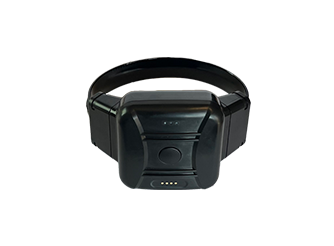
Defendant GPS tracking and compliance management for monitoring companies
Electronic monitoring (EM) companies live in the operational glue between courts, defendants, and sometimes bail bond sureties. Your platform may ingest millions of location points weekly, yet judges experience your brand through a handful of PDFs and how calmly your dispatcher answers at 3:00 a.m. Compliance management—standard operating procedures for alerts, participant communications, court reporting, and quality assurance—is the product as much as the GPS ankle monitor hardware on the ankle.
This guide frames best practices for EM operators: how to run daily monitoring desks, triage ankle monitor signals, document chain of custody, and deliver court-ready packets without burning out staff. We write for vendor leadership, NOC supervisors, and field technicians who need a shared playbook. Foundational context appears in ankle monitor technology overview; procurement teams should pair this operations manual with GPS monitoring equipment selection guidance on ankle-monitor.com.
Cross-link internal references: bail bond GPS monitoring for surety-facing workflows, pretrial defendant monitoring systems for court-order nuances, and reducing failure to appear with GPS for FTA narratives that resonate with stakeholders. Terminology alignment lives in the industry glossary—use shared definitions when you brief new prosecutors, defense panels, or surety partners so everyone reads the same legend on GPS ankle monitor exports.
Operational maturity also means rehearsing edge cases before they become headlines: simultaneous platform upgrades and carrier maintenance windows, defendants who work night shifts when your default curfew templates assume daytime employment, and multi-defendant households where a single router’s WiFi assist can make two ankle monitor traces look correlated when they are merely sharing bandwidth. Document those rehearsals—what you assumed, what broke, what you changed—so the next incident inherits learning instead of panic.
Daily operations: dashboards, shifts, and participant roster hygiene
Run roster hygiene like a hospital ward: phone numbers validated nightly, secondary contacts for cosigners, language preferences logged, and employment addresses geocoded with realistic traffic buffers. Electronic monitoring programs fail silently when defendants change phones without updating assisted-location profiles or when technicians typo an exclusion radius.
Shift design should separate “inbox zero” triage from deep investigations. Tier-one operators acknowledge alerts, classify technical vs behavioral, and page field staff. Tier-two analysts build hearing bundles and respond to defense discovery. Tier-three managers handle vendor escalations with hardware OEMs when a GPS ankle monitor fleet shows systemic firmware issues.
Dashboards must surface battery margins, missed report counts, assisted-fix ratios, and tamper queues with color discipline—avoid blinking red for low-priority events. Operators burn out when every ankle monitor hiccup looks like an emergency.
Alert handling: severity models, SLAs, and documentation
Build severity matrices aligned with court vocabulary. Example tiers: (S1) confirmed strap cut or confirmed exclusion breach toward high-risk locations; (S2) repeated missed reports with no defendant contact; (S3) single missed report with strong recent history; (S4) low-battery warnings with days of margin. Each tier should map to response times, required notifications (prosecutor/defense/pretrial/bail bond), and escalation paths.
Document every touch: timestamp, operator ID, call outcome, and next step. Courts forgive honest mistakes; they punish missing records. For electronic monitoring companies, CRM notes are liability instruments. Train staff never to label an event “GPS glitch” in writing without engineering ticket numbers—precision matters.
Correlate GPS ankle monitor alerts with fix types. An LBS bubble downtown while RF home presence shows compliance suggests assisted positioning error, not absconding. Teach operators to read layer legends so ankle monitor stories stay credible.
Court reporting packages: structure, authenticity, and discovery
Standardize PDF templates with agency letterhead, device serial, firmware, reporting interval, UTC timestamps, and a plain-language summary page before raw traces. Judges appreciate narratives; analysts appreciate appendices. For contested matters, include hash values if your software supports them and document download accounts used to pull electronic monitoring exports.
Discovery workflows should anticipate Brady/Giglio-style obligations where applicable—consult counsel. If your GPS ankle monitor platform flags exculpatory patterns (e.g., repeated technical dropouts undermining a violation claim), policies must route that information ethically and legally.
Offer secure portals instead of email where possible. If email is unavoidable, password-protect PDFs and transmit passwords separately. Electronic monitoring data is sensitive; breaches destroy trust faster than a bad ankle monitor batch.
Participant management: coaching, sanctions, and exit handoffs
Compliance improves when defendants understand why the electronic ankle bracelet exists. Use trauma-informed language, quick-start videos, and printed FAQs covering showers (IP68-rated GPS ankle monitor hardware is common on modern one-piece units), charging rituals for two-piece kits, and whom to call before attempting strap adjustments.
Sanctions should follow written policies—progressive reminders, technical support visits, court notifications—not ad hoc humiliation. Document attempts to assist before recommending warrants unless emergency facts demand immediacy.
Exit handoffs matter: when cases resolve, export final compliance summaries, disable geofences promptly, and medically advise strap removal if jurisdictions allow self-removal after orders expire. Confusion at case end generates spurious ankle monitor tamper calls.
Quality assurance: calibration, bench tests, and operator audits
Quarterly bench-test random samples of GPS ankle monitor inventory: charge, walk outdoor courses, compare logged points to ground truth, and verify tamper simulations match expectations. Fiber-based strap integrity systems on devices such as CO-EYE ONE are marketed as zero false-positive for cut attempts—still test your straps and buckles for wear patterns.
Operator audits: listen to recorded calls for tone and accuracy; re-score closed alerts to see if severity classification drifted; review longest-open tickets. Electronic monitoring quality is a people system amplified by sensors.
Metrics EM companies should publish internally
Track mean time to acknowledge S1 alerts, percentage of alerts closed as technical, repeat offender rates for charging failures, swap cycle time, cosigner complaint volume, and export turnaround SLA compliance. Segment metrics by device generation—older ankle monitor fleets deserve different expectations than LTE-M/NB-IoT rollouts.
Correlate improvements to outcomes: fewer false tampers should reduce overtime; faster exports should improve court satisfaction. Share anonymized benchmarks with surety partners when contracts allow—transparency wins renewals.
Staffing models, burnout prevention, and training recertification
Rotate night shifts; provide counseling resources; limit consecutive hours on high-intensity electronic monitoring queues. Burned-out operators misclassify GPS ankle monitor events, creating liability. Recertify staff every six months on new firmware features, court template changes, and empathy skills for defendants in crisis.
Integrations with courts, pretrial services, and bail stakeholders
API or SFTP integrations reduce transcription errors compared to retyping orders. When integrating with bail bond-adjacent systems, clarify data ownership and retention. Multi-agency visibility requires least-privilege roles so victim addresses do not leak through careless dashboards.
Anchor terminology using glossary entries and external references like ankle monitor technology overview so prosecutors, defense counsel, and sureties interpret ankle monitor exports consistently. When agencies use different words for the same alert class—strap tamper versus bracelet violation—standardize internally and publish a one-page cheat sheet to courts quarterly.
Security, privacy, and least-privilege access
Enforce MFA, VPN requirements for remote operators, session timeouts, and quarterly access reviews. Log privileged actions (geofence edits, report downloads) immutably where possible. Electronic monitoring companies are high-value targets; a leaked GPS ankle monitor database endangers victims and defendants alike.
Incident response when ankle monitor evidence is contested
Assemble a war room kit: engineering postmortems, carrier ticket numbers, device-level logs, and technician affidavits. Never improvise hearsay explanations on the stand—courts remember. If a ankle monitor batch underperformed, disclose proactively with remediation plans.
Continuous improvement loops
Run after-action reviews on major incidents; update SOPs within two weeks; feed hardware feedback to OEMs. Reference GPS monitoring equipment selection when planning refreshes so next-generation GPS ankle monitor rollouts align with operational lessons, not only sales incentives. Tie programs back to pretrial defendant monitoring systems expectations and FTA reduction narratives your customers already trust.
Electronic ankle bracelet lifecycle management
Treat every electronic ankle bracelet as a serialized asset from cradle to grave: receiving inspection, bench test, field deployment, swap history, refurbishment, and disposal. Log strap wear, water intrusion tests after repeated showers, and charging port integrity on two-piece pucks. A frayed electronic ankle bracelet strap can trigger ambiguous tamper patterns that waste investigative hours.
Align RMA processes with court calendars—if a GPS ankle monitor must ship for factory service, have hot spares staged to avoid supervision gaps. Document interim supervision steps when hardware is mid-swap. Courts rarely accept “no ankle monitor this week” without written mitigation plans.
Decommissioned electronic ankle bracelet units require secure wipe of residual pairing keys and destruction of SIMs per carrier policy. Leaked identifiers could allow spoofing attempts against your tenant. Train technicians in proper disposal and keep certificates for audits.
Call center scripts, tone, and de-escalation for monitoring companies
Scripts should not sound robotic, but they should cover consent to record, identity verification, and clear next steps when a defendant reports a beeping ankle monitor. Operators distinguish “help me comply” calls from excuse-making when charging was neglected. Empathy plus boundaries preserves dignity while protecting program integrity.
Escalate threats of self-harm immediately per policy and local law. Electronic monitoring operators are frontline crisis listeners more often than outsiders expect. Train for trauma-informed language and mandatory reporting duties.
Cosigner calls deserve separate scripts acknowledging financial stress without promising outcomes you cannot deliver. Never guarantee a judge will accept a given GPS ankle monitor export—only that you will produce authenticated records promptly.
Field service logistics: routing, safety, and documentation
Route technicians with awareness of high-risk addresses, daylight visibility, and buddy policies where appropriate. Document ankle circumference measurements, skin checks, photos of installed electronic ankle bracelet fit (where permitted), and defendant signatures on orientation forms. Technicians should verify live maps before leaving the curb.
Vehicle inventory should include spare straps, wipes, charging kits for two-piece systems, and PPE. If a defendant refuses install after court order, follow escalation protocols—do not improvise removals or threats. Your electronic monitoring brand is built on professionalism under stress.
Analytics, risk scores, and integrity safeguards
Machine learning overlays may flag anomalies on GPS ankle monitor traces—treat them as triage hints, not automatic warrant triggers. Document model versions, feature sets, and human review steps. Courts may challenge black-box scores; transparency protects both defendants and your electronic monitoring program.
Audit for disparate impact when analytics influence supervision intensity. Legal and policy reviews belong upstream of deployment, not after a newspaper headline.
Contracting, SLAs, and subcontractor governance
County contracts should define alert SLAs, data ownership, subprocessors, insurance minimums, and indemnities for platform outages. If you subcontract field work, your QA is still your reputation. Require background checks, training certifications, and periodic ride-alongs. A sloppy electronic ankle bracelet install by a gig worker becomes your litigation problem.
Price models should reflect true costs: cellular, software seats, spare inventory, and overtime when ankle monitor fleets skew older. Underbidding destroys service quality and invites corner-cutting that courts remember.
Training modules for new electronic monitoring hires
Week one: platform navigation, fix-type literacy, severity matrices, and shadowing seasoned operators. Week two: mock hearings with redacted exports, role-play defendant calls, and hardware swap labs touching real GPS ankle monitor units. Week three: security hygiene, discovery basics, and stress inoculation drills. Tie vocabulary to ankle monitor technology overview so teams speak consistently with courts.
Annual refreshers cover firmware changes, local rule amendments, and empathy coaching. Testing should include written and practical components—knowing the electronic ankle bracelet catalog matters as much as knowing the law’s edges.
Multi-agency coordination playbooks
When pretrial, probation, and bail bond stakeholders share a defendant, designate a single geofence owner to avoid conflicting ankle monitor rules. Establish change-control logs for zone edits with court references. Multi-agency chaos breeds wrongful violations and unfair detention requests.
Interop meetings monthly reduce surprises. Bring metrics, not anecdotes. Reference bail bond GPS monitoring when sureties need operational transparency without raw portal access.
Evidence room: assembling hearing bundles under time pressure
When a prosecutor calls at 4:45 p.m. for next-morning exhibits, your electronic monitoring team needs a checklist: case number, device serial, UTC window, fix-type legend, tamper table, call logs tied to alerts, and supervisor sign-off. Pre-build templates in the CMS so operators populate fields instead of designing layouts from scratch. Missing metadata on a GPS ankle monitor PDF is how competent programs look sloppy.
Redact victim addresses on copies for general dockets when rules require—keep unredacted master files under seal per court instruction. Double-check that maps show scale bars and north arrows if your jurisdiction expects them. Small courtesies to clerks speed filing.
Overnight desk: fatigue controls and dual verification
Night shifts review the riskiest ankle monitor alerts when courts are closed and defendants sleep—or attempt flight. Enforce mandatory breaks, limit consecutive night blocks, and require dual verification on warrant recommendations. Sleep-deprived operators misclassify LBS scatter as absconding. Rotate mentors weekly to cross-pollinate pattern recognition.
Log ambient issues—carrier outages, platform deploys, daylight-saving glitches—that explain cluster anomalies. Context prevents wrongful escalations.
Device forensics lite: what to capture before RMA
Before shipping a suspect electronic ankle bracelet for service, snapshot firmware version, last-seen cellular tower IDs if available, battery curve, and strap photos. Package chain-of-custody labels. OEMs cannot diagnose ghosts without data. If the unit tampered, preserve evidence per legal guidance.
Population health dashboards for GPS ankle monitor fleets
Aggregate anonymized stats: median fix latency, indoor assist ratio, charging compliance curves for two-piece cohorts, tamper class distribution. Fleet-level views catch bad batches early—if every GPS ankle monitor from serial block X drops offline after a firmware push, open a severity-1 vendor case instead of blaming defendants.
Language access and ADA alignment in electronic monitoring
Provide ASL or CART when defendants need them; offer large-print quick guides; ensure IVR menus do not trap non-English speakers in loops. ADA and language access are compliance issues for electronic monitoring providers, not nice-to-haves. Document reasonable modifications related to electronic ankle bracelet wear and charging.
Public records, media requests, and redaction discipline
Journalists may FOIA aggregate stats or incident narratives. Have counsel review responses. Never leak raw ankle monitor traces that identify victims. Prepare holding statements emphasizing privacy commitments while educating the public about lawful supervision.
Succession planning for monitoring supervisors
Supervisors carry tacit knowledge about vendor quirks and courthouse personalities. Run shadow weeks for backups, document escalation trees, and store credentials in enterprise vaults—not sticky notes. If your lead quits tomorrow, the GPS ankle monitor program must not collapse.
Cosigner coordination without overstepping legal boundaries
Cosigners are not parties to all court orders—know what you may share. Provide compliance summaries tied to published conditions, not investigative hunches. When in doubt, route through counsel. A sloppy cosigner email can torpedo trust with defense bars even when your electronic ankle bracelet data is accurate.
Severe weather and mass-scale ankle monitor continuity
Hurricanes, wildfires, and ice storms disrupt cellular and power simultaneously. Maintain emergency geofence suspension policies approved by courts, mass-SMS templates, and prioritized swap lists for medical-risk defendants. Practice tabletop exercises annually. Continuity planning is core electronic monitoring compliance, not optional IT trivia.
Finance operations: billing integrity and delinquency playbooks
Daily fees fund staffing and cellular; delinquency starves quality. Automate invoices with plain-language line items for GPS ankle monitor service. Offer payment plans where lawful. Before suspending service for nonpayment, verify court rules—some jurisdictions prohibit unilateral shutdowns. Coordinate with bail bond partners when cosigners fall behind; often a three-way call resolves issues faster than silent arrears.
Audit revenue recognition against active device counts—ghost enrollments distort margins. Finance should receive weekly active roster reconciliations from operations. Money and electronic monitoring telemetry should align.
Annual vendor audits for ankle monitor hardware and software
Each year, score OEM and platform vendors on SLA hit rate, RMA turnaround, security patch cadence, roadmap honesty, and training quality. Invite engineering leads to discuss firmware roadmaps—especially carrier sunsets affecting your electronic ankle bracelet fleet. Document gaps and remediation dates. If vendors stall, escalate or diversify SKUs.
Innovation lab: structured pilots without risking production caseloads
Dedicate a sandbox tenant and a handful of volunteer staff devices to test new GPS ankle monitor features—analytics overlays, app betas, or beacon assists. Never experiment on high-risk cases without court awareness. Promote successes with data; kill pilots that increase false alerts.
Partner health reviews with prosecution and defense bars
Quarterly listening sessions surface systemic issues: unreadable exports, slow discovery, or alert thresholds that feel punitive. Adjust collaboratively where possible. Transparency builds goodwill that pays off in contested hearings where your ankle monitor operators must testify credibly.
Telemetry ethics: what you collect, why, and how long
Collect only data necessary to satisfy court orders and legitimate operational needs. Publish retention schedules internally. Restrict secondary uses of electronic monitoring data for marketing or unrelated analytics—such reuse erodes trust and may violate contracts or statutes.
Board reporting packages for executive oversight
Monthly board decks should translate operations into risk and finance language: critical alert SLA hit rate, false tamper percentage, average export turnaround, new enrollments, churn reasons, capital spend on GPS ankle monitor spares, and notable incidents with remediation status. Graph trends quarter-over-quarter. Boards fund expansions when electronic monitoring leadership demonstrates control, not chaos.
Carrier relations and SIM lifecycle governance
Dedicated telecom liaisons accelerate trouble tickets when towers fail or when entire counties lose backhaul. Track SIM ages, PUK lockouts, and eSIM profile migrations. A preventable carrier suspension should never silence a electronic ankle bracelet fleet overnight. Automate low-data alerts before hard cuts.
Participant feedback loops and complaint triage
Survey defendants quarterly—anonymized where possible—about strap comfort, call center tone, and clarity of instructions. Complaints about chafing may signal need for strap liners; complaints about rude operators signal HR coaching. Close the loop with public summaries so stakeholders see electronic monitoring programs evolve humanely without sacrificing accountability.
Internal knowledge base: runbooks, wikis, and version control
Centralize SOPs in a searchable wiki with version history. Every time a firmware update changes alert semantics, revise the runbook the same day. Tag articles by symptom (“missed reports,” “LBS scatter,” “strap cut”) so night operators find answers fast. Attach PDF examples of exemplary GPS ankle monitor exports so trainees see gold-standard packets.
Quarterly drills where operators solve simulated incidents against the clock surface documentation gaps before real defendants are affected. Treat the wiki as living infrastructure alongside the electronic ankle bracelet hardware itself.
Workforce planning for scaling electronic monitoring caseloads
Model headcount against caseload growth: alerts per hundred participants, average handle time, and seasonal spikes. Cross-train field techs on basic platform triage to reduce NOC load. Hire bilingual staff deliberately if your docket demands it—ad hoc translation apps are poor substitutes in emergencies involving a beeping ankle monitor.
Retention bonuses tied to QA scores reduce turnover that erodes tacit knowledge. Long-tenured electronic monitoring operators recognize vendor-specific failure signatures faster than rookies reading manuals.
Capacity planning should include “absorption time” after major county go-lives: the first ninety days of a new contract typically spike GPS ankle monitor enrollments, field miles, and discovery requests simultaneously. Temporary surge staffing is cheaper than burning out core teams. Likewise, schedule vendor certification classes before hardware refreshes so operators understand new tamper semantics before live defendants wear the devices. Understaffed desks misclassify LBS scatter as flight risk; overstaffed desks without training misclassify flight risk as scatter—balance headcount with literacy.
Finally, align HR policies with the reality of electronic ankle bracelet work: background checks for anyone touching PII, clear social-media rules to prevent accidental case discussions, and mental-health resources for operators who handle threats or self-harm disclosures. Compliance management is human infrastructure as much as software licenses.
Frequently asked questions
What is compliance management in electronic monitoring?
It is the set of policies, workflows, metrics, and documentation practices that ensure defendants are supervised consistently with court orders, alerts are triaged appropriately, and location data is authentic, complete, and discoverable.
How should monitoring companies prioritize GPS ankle monitor alerts?
Use a severity matrix that separates true public-safety events (strap cuts, high-risk zone breaches) from technical dropouts or low-battery warnings with ample margin. Document classifications and response times.
What belongs in a court-ready electronic monitoring export?
Cover sheets with bond or case numbers, device identifiers, firmware versions, UTC timestamps, fix types, maps, tabular data, operator notes, and authentication details such as download accounts or file hashes when available.
How can EM vendors reduce false tamper alerts?
Prefer strap integrity technologies that detect physical cuts rather than conductive skins prone to moisture noise; validate vendor claims with pilot data. Train defendants on proper fit and maintenance.
What KPIs matter for electronic monitoring operations?
Mean time to acknowledge critical alerts, false alert rate, export turnaround time, swap cycle time, repeat charging failures, cosigner complaints, and staff overtime hours tied to alert queues.
How do monitoring companies coordinate with bail bond agencies?
Clarify alert routing, data-sharing agreements, after-hours contacts, and whether sureties receive parallel notifications. Document handoffs when court orders change geofences or reporting cadence.