Blog · Legal analysis
Nevada Sheriff vs Judge: Legal Battle Over GPS Ankle Monitor Release Orders Reshapes Bail Bond Industry
Nevada’s highest court is weighing a core question for pretrial justice: when a judge orders release with electronic monitoring, can a sheriff refuse to implement that order by invoking separate detention statutes? For bail bond agencies, monitoring partners, and defendants, the answer will redraw the map for bail monitoring economics and liability.
March 29, 2026
1. What the Nevada dispute is actually about
Public reporting and court filings describe a high-visibility clash in Nevada between judicial release authority and sheriff detention practices. According to those accounts, Clark County Sheriff Kevin McMahill relied on NRS 211.250 and NRS 211.300 to decline or delay effectuating a judge’s release order that contemplated community supervision with a GPS ankle monitor for a defendant with an extensive arrest history. The Nevada Supreme Court is now positioned to interpret how those statutes interact with judicial pretrial release power when electronic monitoring is the bridge between jail and the street.
This is not a technical dispute about GPS chipsets. It is a separation-of-functions problem: judges set conditions; jails house bodies; sheriffs operate intake and release logistics; pretrial services and private bail monitoring vendors execute the community layer. When any rung in that ladder disagrees with the rung above it, defendants sit in limbo—and everyone downstream inherits the chaos.
For bail bond professionals, the operational translation is immediate. A bond is not “closed” when premium is collected; it is managed until the case resolves. If release with EM is the court’s chosen risk mitigator, anything that keeps a defendant inside the fence after the gavel falls changes your exposure clock, your communication burden with indemnitors, and your coordination with the pretrial monitoring stack you rely on.
2. Bail bond economics when EM release orders stall
At first glance, some observers assume that blocking EM release simply increases demand for cash or surety bail because more defendants remain eligible for bond while still in custody. That can be true in specific calendars—but the picture is messier.
Longer jail stays compress decision windows. Defendants who might have accepted EM plus bond conditions may instead face stacked hearings, revised risk assessments, or amended charges. Each revision forces bondsmen to re-underwrite the file, re-document indemnitors, and sometimes renegotiate collateral.
Court frustration flows into conditions. When judges perceive release logistics as unreliable, dockets sometimes respond with stricter bundles: higher bond amounts, additional check-in layers, or house-arrest adjuncts. That can raise premium and forfeiture risk simultaneously—not a simple “more bonds sold” win.
Monitoring contracts assume a handoff. Private GPS ankle monitor programs are priced around enrollment, daily service fees, and field response. If jail release is delayed or denied after a judge signed an EM order, vendors still burn help-desk time explaining status to families, while your agency explains why the defendant is not yet on the map.
In short, the bail bond industry should treat this legal fight as a volatility shock to pretrial workflows, not a predictable margin tailwind. The firms that survive volatility are the ones with clear SOPs for custody status verification, redundant communication with jails, and GPS monitoring partners who can produce timestamped evidence packets on demand.
3. The counter-argument: EM-first dockets and the bond model
There is a mirror scenario bail bond agencies must plan for: courts that expand pretrial electronic monitoring as a preferred alternative to secured release for certain charge classes. When EM slots are abundant and judicially trusted, some defendants who historically needed surety support may remain on personal recognizance bonds with GPS conditions—shifting volume.
That does not eliminate bail bonds; many jurisdictions layer EM on top of financial release to satisfy victim-safety or flight-risk policy. Yet the mix changes. Agencies that only understand premium math without understanding EM condition enforcement will misread their pipelines.
Forward-looking bondsmen are pairing with monitoring platforms that document compliance in court-ready formats, because judges and prosecutors increasingly treat electronic monitoring data as probative, not merely administrative. If your vendor cannot export maps, alert histories, and device health logs cleanly, you are underwriting risk with a blindfold.
4. What GPS ankle monitor vendors owe the bail bond market now
Vendors serving bail-adjacent bail monitoring programs should expect procurement questions to sharpen in states where custody authority is contested. RFPs will ask not only for per-day pricing but for:
Evidence discipline. Can your platform prove continuity of custody from device assignment through enrollment? Can it distinguish true strap tamper events from chronic false positives that erode judicial confidence?
Battery and connectivity realism. Programs fail in the field when defendants cannot sustain charging rituals. Multi-day battery life reduces “dark device” episodes that look like absconding in the heat of a sheriff-judge conflict.
Regulatory durability. As LTE-M/NB-IoT and multi-constellation GNSS become baseline expectations, agencies should avoid hardware that will age out before the typical bond lifecycle of a complex felony case.
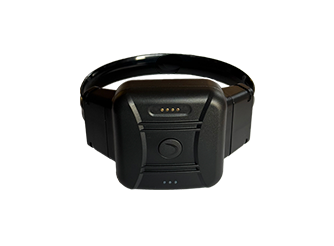
Industry discussions of alert quality frequently cite wide false-positive bands for legacy strap tamper approaches in third-party research summaries. Whether or not your state cites those figures in hearings, the perception of noisy alerts makes judges and sheriffs less willing to stake institutional credibility on EM. In that environment, reliable GPS ankle monitors with proven zero false-alert tamper detection become even more critical when the legal stakes of monitoring failures are this high—because every alert may be read through a constitutional lens, not just a service ticket.
For equipment comparisons and vendor questions tailored to agencies, see our bail bond GPS equipment buying guide and electronic monitoring vendor comparison hub.
5. Practical playbook for bail bond agencies (2026)
Verify the order stack. Maintain a written checklist: judicial release order, EM condition language, jail release clearance, and vendor enrollment confirmation. When agencies conflict, your file should show you acted on the last unambiguous instruction while escalating through counsel.
Align indemnitor expectations. Families confuse “judge said release” with “walked out the door.” Explain that sheriff detention statutes and jail operations can introduce gaps—and that GPS monitoring begins only after lawful release and device fit.
Document everything. If a defendant remains in custody despite an EM order, timestamp who told you what. Monitoring vendors that provide audit-friendly exports protect both the program and the surety.
Stay language-safe in advertising. Google Ads policies restrict certain bail-services phrasing; organic educational content can still use industry terminology your customers actually search. Keep landing pages aligned with defendant GPS tracking compliance themes your attorneys approve.
6. National ripple effects beyond Nevada
Nevada is not the only state where sheriffs, judges, and community corrections actors interpret overlapping statutes differently. A supreme court decision here will be cited in amicus discussions elsewhere, shaping how risk-averse sheriffs write release protocols and how defense bars draft EM motions.
For bail bond agencies operating multi-state networks, the lesson is to centralize legal monitoring but decentralize jail relations. A policy that works in Miami may fail in Las Vegas if statutory hooks differ. Build relationships with local counsel who understand both criminal procedure and the EM vendor landscape.
Technology standards also travel across borders. As more programs specify GPS ankle monitor requirements in bond conditions, expect convergence on tamper-signal integrity, charging logistics, and exportable metadata—the same attributes pretrial units already demand.
7. Conclusion: treat legal ambiguity as an operations risk
The Nevada dispute puts a spotlight on a truth the industry sometimes avoids: bail monitoring is a three-party trust exercise among courts, law enforcement, and private actors. When trust fractures, defendants wait—and your balance sheet feels it.
Agencies that invest in transparent monitoring partnerships, disciplined documentation, and realistic defendant education will adapt faster than competitors who treat EM as a commodity accessory. Equipment choices matter because judicial and executive stakeholders increasingly judge programs by signal quality, not brochure claims.
For deeper product context from the manufacturer perspective, see CO-EYE ONE on ankle-monitor.com (REFINE Technology).

8. FAQ
Why does a Nevada sheriff vs judge dispute matter for bail bond GPS monitoring?
If sheriffs can block court-ordered pretrial release on electronic monitoring, defendants may remain in custody longer, shifting when bonds are posted, how risk is priced, and how monitoring companies document handoff from jail to community supervision.
Does pretrial GPS ankle monitoring replace bail bonds?
Usually not. Courts often combine financial release with EM conditions. When EM is blocked, agencies may see more demand for secured release—or prolonged detention that delays bond workflows and increases calendar friction.
What should bail bond agencies ask GPS ankle monitor vendors during legal uncertainty?
Ask about tamper-alert methodology, evidence-export speed, battery and connectivity SLAs, and documentation for hearings when custody and community supervision orders conflict across agencies.
9. Next steps
Need vendor-neutral guidance on structuring monitoring requirements for your agency? Contact REFINE ID for a consultation on bail monitoring procurement and defendant workflow design.
Contact Sales