Blog
House Arrest & Bail Bond GPS Monitoring: Essential Technology Guide for Bail Bond Agencies
When courts favor release with location conditions, house arrest and GPS supervision become the operational backbone of modern bail monitoring. This guide explains how agencies package home detention, which technology stack holds up under scrutiny, and where savings appear versus jail bed-days.
April 2026
1. House arrest as an alternative to detention
House arrest—often labeled home detention or home confinement in court orders—keeps a defendant in the community under strict location rules instead of occupying a jail bed. For bail bond agencies, it is not an abstract policy debate; it is a release modality that shows up daily in bond conditions, indemnitor conversations, and vendor invoices. When judges pair bond with “stay at residence except approved windows,” your monitoring center partner must prove presence during curfew and accountable movement when leave is granted.
Compared with open pretrial GPS that only forbids exclusion zones, house arrest shifts the default: the permitted place is home unless the written order lists work, treatment, or legal appointments. That distinction changes which alerts matter: missed beacon hits during overnight hours can be as serious as a geofence breach. Agencies that treat stay-at-home bond conditions like generic GPS—without curfew logic and RF verification—invite avoidable bench warrants and indemnitor disputes.
Operational clarity wins. Publish a one-page defendant handout that mirrors the court’s verbs: curfew start/end, charging expectations, who to call first when the strap irritates skin, and how quickly the monitoring center must acknowledge a tamper. Aligning language with home detention monitoring programs reduces “I thought I was allowed” callbacks that masquerade as risk events.
2. Technology requirements for house arrest programs
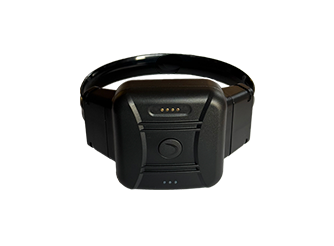
Reliable house arrest stacks usually combine always-on location capability with home-presence verification during ordered hours. A GPS ankle monitor or one-piece GPS ankle bracelet supplies satellite-derived tracks when the defendant is away from the residence; an RF home beacon or compatible base station can corroborate that the ankle unit remained within the dwelling during curfew, depending on program design and vendor integration. Not every docket needs both layers—some courts accept GPS-only radius rules—but when the order explicitly demands “electronic monitoring at residence,” assume dual-modal evidence will be requested at a hearing.
Procurement should emphasize: reporting interval and horizontal accuracy under real streets (not demo sky view), battery life at that interval, tamper architecture with low false-positive burden on your supervision desk, IP rating for showers and weather, cellular bands and a roadmap past legacy sunsets, and exports that counsel can read without a vendor engineer on the line. For specification depth and product context, see ankle-monitor.com as a manufacturer reference while you translate orders into acceptance tests.
Staff training is part of the stack. Intake must capture photos, fit, charging instructions, and baseline connectivity before the defendant walks out. A GPS ankle monitor that leaves the office with a half charge and vague paperwork becomes a liability story, not a supervision win. Pair device SOPs with the broader workflow in our bail bond GPS monitoring guide so sales, agents, and monitoring partners share one playbook.
3. Cost savings: jail beds versus supervised release
County budgets feel home detention savings first: every supervised day outside a facility avoids food, medical triage, transport, and staffing load tied to physical custody. Those savings are political—sheriffs and commissioners watch bed counts—while defendants and indemnitors typically fund daily supervision fees. For bail agencies, the economic story is margin on scaled bail monitoring minus alert labor; the cheaper device that doubles tamper tickets can erase net benefit in ninety days.
Model scenarios honestly: urban canyon gaps, rural dead zones, weekend on-call, replacement logistics, and hearing prep time. When a house arrest program fails publicly, costs spike in rearrest, transport, and reputational damage with clerks. Agencies that publish transparent fee schedules and SLAs for alert response protect indemnitors from surprise bills and protect themselves from finger-pointing when a GPS ankle monitor drops offline at 2 a.m.
If your county blends subsidies with defendant-pay lines, reconcile invoices monthly so bond agents are not caught between a vendor bill and delayed reimbursement. Detailed worksheets live alongside other resources on home detention monitoring programs for readers building multi-year TCO views.
4. Offering house arrest monitoring as a value-add
Bail bond agencies compete on speed, trust, and outcomes. Packaging house arrest supervision—enrollment, 24/7 escalation paths, and clear indemnitor communication—is a differentiated service when courts increasingly expect release with teeth. The value-add is not “we sell a gadget”; it is “we keep defendants compliant with orders that mention home detention.” That requires vendor selection, insurance review, and trained staff who sound credible to pretrial officers and family members.
Start with a narrow offer: one county’s standard curfew-and-residence template, one device profile, one monitoring center contract. Expand only after ticket rates per hundred defendants stabilize. Marketing should emphasize outcomes—fewer FTAs tied to clear expectations—and operational seriousness: documented tamper response, evidence packets, and bilingual intake where your market demands it. Cross-link training materials with bail bond GPS monitoring so prospects see end-to-end thinking, not a hardware SKU list.
Throughout, treat bail monitoring as a regulated service line. Keep logs, version your defendant agreements, and rehearse after-hours escalation. Agencies that professionalize supervised-home offerings earn repeat referrals from attorneys who are tired of chaotic enrollments.
5. Courts, clerks, and evidence: defensible supervised home release
Judges and pretrial officers rarely care which SKU you shipped; they care whether the record shows compliance with the written order. For house arrest dockets, that means UTC-stamped tracks, curfew windows that match the minute the clerk entered, and tamper narratives that do not collapse under a five-minute hearing challenge. Before you scale marketing, assign someone to read ten recent orders from your busiest courthouse and extract the repeated verbs—remain at residence, except employment, electronic monitoring required—then map each phrase to a device profile and alert rule.
Export discipline separates amateur bail monitoring from professional programs. Counsel should receive PDF or CSV packets with a cover sheet listing device ID, enrollment time, firmware baseline, and the reporting interval active during the disputed window. If your vendor cannot produce that bundle in one business day, you will eat the labor yourself or lose credibility in front of the bench. Run a tabletop exercise quarterly: pick a fictional violation, draft the packet, and time how long it takes from alert to email-ready evidence.
Indemnitors are the hidden stakeholders in supervised release economics. They cosign financial exposure; when they misunderstand curfew or charging, you get 10 p.m. phone calls that look like flight risk on paper. A short video walkthrough—how to seat the charger, what a low-battery text means, who answers after hours—often pays for itself in fewer panic escalations. Pair that education with plain-language fee schedules so families know what bail monitoring costs per week and what triggers replacement hardware charges.
Finally, align escalation trees with your GPS ankle monitor vendor’s SLA. If the monitoring center acknowledges critical tamper in thirty minutes but your bond agent promises victims or prosecutors a five-minute callback, you have created a liability gap. Document who owns first contact, who notifies law enforcement, and when the agency itself steps back to the vendor. Programs that choreograph those roles quietly outperform competitors who improvise at 3 a.m.
6. Implementation checklist for agencies
| Phase | Home detention focus | Operations outcome |
|---|---|---|
| Intake | Match court verbs to device profile; confirm curfew windows. | Fewer “wrong modality” violations in first 14 days. |
| Provisioning | Full charge, fit photos, skin check, written charging SOP. | Lower dead-battery and strap-fit supervision tickets. |
| Operations | Beacon/GPS rules tested against sample floor plans. | Credible curfew and residence evidence for hearings. |
| Review | Monthly false-positive rate and export turnaround. | Sustainable margins on supervised release. |
Use the checklist as a gate: if your vendor cannot demonstrate curfew fidelity and export speed under pilot load, pause fleet scale. Strong supervised-home rollouts treat the first forty defendants as a quality lab, not a marketing milestone.
7. FAQ: bail bond supervision & home detention
How does court-ordered home detention differ from general pretrial GPS monitoring?
House arrest centers on residence presence and curfew enforcement, often with RF assistance, while broader GPS supervision may emphasize continuous tracks and exclusion zones. Read the order literally and map equipment to those verbs.
Can bail bond agencies offer supervised residence monitoring as a service?
Yes, where rules and contracts allow coordinated enrollment and billing. Package bail monitoring with clear SLAs, evidence exports, and indemnitor-facing fee transparency.
What technology is required for reliable curfew-at-home programs?
Typically a GPS ankle monitor path for away tracking plus home verification when orders demand it, robust tamper signaling, modern cellular, and a monitoring platform with accountable alert handling.
Where do cost savings appear compared to jail detention?
Counties save bed-days and ancillary jail costs; defendants fund supervision fees. Agencies win when supervised-home operations scale without alert labor eating the line.
Next steps
Standardize curfew and house arrest playbooks that cut false alerts, keep bail monitoring data hearing-ready, and align indemnitors with transparent fees. When you are ready to compare hardware and monitoring terms, talk with our team.
Contact SalesProduct reference: CO-EYE ONE on ankle-monitor.com.