Blog
Bail Monitoring: Complete GPS Technology Guide for Pretrial Supervision Programs 2026
How bail monitoring programs combine GPS ankle monitor hardware, electronic monitoring policy, and pretrial workflows to reduce flight risk—without turning officers into full-time help desks.
March 2026
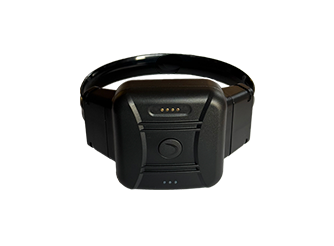
One-piece GPS ankle monitor form factor simplifies defendant education: a single device, magnetic charging, and fewer “lost dock” failures that derail bail monitoring programs.
1. What is bail monitoring and how does it work?
Bail monitoring is the operational layer that keeps defendants accountable between arrest and case resolution while they remain in the community. Courts may order pretrial supervision as a condition of release; bail bond agencies and third-party monitoring companies then deliver the day-to-day bail monitoring service—equipment issuance, enrollment, alert response, and compliance documentation.
Most contemporary bail monitoring programs rely on a GPS ankle monitor or a paired RF/home system, depending on risk and order language. The electronic monitoring platform receives location or proximity events, evaluates them against geofences and schedules, and generates alerts when defendants breach conditions. Bail monitoring succeeds when those alerts are triaged quickly, with clear lines between device problems and genuine violations.
Unlike passive check-in calls, continuous bail monitoring produces a locational record that courts can review in revocation hearings. That record only helps if your bail monitoring vendor supplies audit-friendly exports and if staff time-stamp officer reviews—otherwise “data rich, insight poor” becomes the norm.
For program design references, see our pretrial defendant monitoring systems guide and the bail bond GPS monitoring pillar page.
2. GPS versus RF bail monitoring: matching technology to risk
GPS ankle monitor bail monitoring answers the question, “Where is the defendant in the world, relative to court-ordered zones?” It fits domestic violence buffers, gang injunction corridors, and any order that requires real-world tracks beyond the front door. Multi-constellation GNSS plus Wi-Fi/LBS fallback improves urban accuracy; modern LTE-M/NB-IoT cellular extends battery life so bail monitoring is not a nightly charging crisis.
RF-centric bail monitoring (home beacon plus ankle transmitter) answers, “Is the defendant at home during curfew?” It can be cost-effective for strict house arrest but provides weaker visibility when the defendant is authorized to travel to work or treatment. Many agencies blend modalities over a defendant’s lifecycle—starting with intensive GPS ankle bracelet supervision, then stepping down if risk assessments improve.
When comparing modalities, document false-alert tolerance. Fiber-based strap tamper sensing on advanced GPS ankle monitor designs aims to reduce spurious tamper storms that clog bail monitoring queues—an operational metric bondsmen feel before judges do.
Language matters in court filings: many orders still say “GPS ankle bracelet” while vendors ship one-piece GPS ankle monitor hardware. Align transcripts, defendant handouts, and probation reports so the same plain-English term—“GPS ankle bracelet supervision”—maps to the serial number in your bail monitoring database. That alignment prevents defense challenges that exploit terminology drift between the judge’s minute order and the electronic monitoring enrollment packet.
3. How bail bond agencies use GPS ankle monitors
Bail bond agencies typically coordinate with certified monitoring providers: defendants sign agreements, pay fees, receive a fitted GPS ankle monitor, and acknowledge rules. Bail monitoring staff explain charging schedules, exclusion zones, and escalation paths if the device vibrates or beeps.
Agency value is risk transfer: if a defendant flees, the bond is forfeited unless the defendant is recovered. Reliable bail monitoring reduces surprise flight by surfacing pattern breaks—sudden overnight silence, chronic low battery, or repeated border pings near transportation hubs—before absconding completes.
Operational maturity means integrating bail monitoring alerts with bondsmen on-call rotations, not only with vendor NOCs. The best programs rehearse handoffs: who calls the defendant first, when to dispatch recovery, when to notify the court. Repeatable bail monitoring playbooks beat heroic one-off rescues.
Workflow templates appear in bondsman workflow and defendant GPS tracking resources.
4. Bail monitoring compliance and FTA reduction
Failure to appear (FTA) undermines courts and triggers bond losses. Bail monitoring is one lever among many—court reminders, transportation assistance, and flexible scheduling matter too—but structured pretrial electronic monitoring can tighten appearance rates when paired with swift sanctions and supportive services.
Measure FTA by charge class, not just globally. If misdemeanor bail monitoring cohorts improve while felony FTAs flatline, your intervention mix—not the GPS ankle bracelet alone—needs adjustment. Publish monthly bail monitoring KPIs: percentage of defendants with sustained connectivity, median battery level at check-in, count of confirmed zone breaches, and time-to-first-officer-touch on high-severity alerts.
Florida research on broader electronic supervision has associated monitored cohorts with roughly a 31% reduction in recidivism versus comparison groups—context for grant narratives, not a universal guarantee. Treat bail monitoring as measurable infrastructure: dashboards, not anecdotes.
See FTA reduction guide for tactical checklists.
5. Cost-benefit: bail monitoring versus incarceration
Jail days are expensive—capital, staffing, medical, and litigation risk accumulate. Bail monitoring shifts spending toward equipment fees and staff time but avoids many fixed institutional costs. Honest comparisons include indirect costs: how many staff hours does your bail monitoring desk consume per hundred defendants, and how often do courts revoke based on electronic monitoring evidence versus new arrests?
Total cost of ownership for a GPS ankle monitor program should count spare devices, strap replacements, shipping, training, and software seats—not only per-diem vendor pricing. One-piece designs with week-long battery life often reduce truck rolls and after-hours calls, improving bail monitoring margins for agencies and lowering friction for defendants who struggle with daily charging.
Use cost analysis worksheets when pitching bail monitoring expansion to surety partners or county boards.
6. 2026 trends: California, Texas, Oklahoma
State trajectories shape bail monitoring demand. California continues large-county investment in pretrial services and electronic supervision tools—often with emphasis on high-risk dockets and victim safety. Procurement cycles favor vendors who document data retention, RBAC, and export formats aligned with superior court CMS expectations.
Texas combines high bond volumes with county-level variability: urban centers run mature GPS ankle monitor operations, while rural counties prioritize mobile enrollment vans and satellite connectivity strategies. Bail monitoring providers who can standardize playbooks across metros and ranch counties win multi-year contracts.
Oklahoma illustrates how fast-moving legislation around domestic violence and protective orders can spike electronic monitoring enrollments. When statutes mandate alerts to victims or law enforcement, bail monitoring platforms must prove low-latency notification paths—not batch reports the next morning.
Across all three states, the meta-trend is the same: pretrial decision-makers want bail monitoring evidence that survives hearings—clear graphs, chain-of-custody logs, and officer narratives tied to timestamps.
Pretrial coordinators should run a quarterly bail monitoring readiness review even when statutes are stable: carrier sunsets, SIM logistics, and dashboard UX regressions all show up first in help-desk volume. A ninety-minute tabletop—vendor NOC, chief bondsman, and court clerk in the same room—surfaces whether your GPS ankle bracelet enrollments still match the court’s actual order language after form revisions. Small wording changes in protective orders can silently invalidate geofence libraries until someone re-imports the rule set.
7. CO-EYE technology: feature requirements for serious bail monitoring
Whether you standardize on CO-EYE or another vendor, bail monitoring-grade GPS ankle monitor programs should insist on:
- Multi-day battery on cellular/GPS reporting (for example, seven-day endurance at practical LTE-M/NB-IoT intervals) so bail monitoring is not a daily charging battle.
- Sub-2-meter-class GNSS accuracy with urban fallback so exclusion zones mean something in downtown canyons.
- Fiber-optic tamper detection on strap and case to cut false tamper cycles that erode court trust.
- Tool-free installation in seconds—reducing lobby wait times and officer exposure during enrollment.
- IP68 environmental sealing so defendants can maintain hygiene without spurious “removed device” noise.
- Optional eSIM / BLE extended modes for lower-risk pretrial tracks that need long runtime with tethered smartphones.
- Unified software with enrollee, alert, mapping, reporting, and audit modules so electronic monitoring data flows into a single compliance story.
Product specifications and the monitoring platform overview are published by the manufacturer at ankle-monitor.com/coeye-one/ and ankle-monitor.com/coeye-software/. Use them as a benchmark RFP when you negotiate your next bail monitoring award.
8. FAQ
What is bail monitoring in pretrial supervision?
Bail monitoring supervises released defendants through electronic monitoring—typically a GPS ankle monitor—so courts and sureties can verify conditions between hearings. It connects alerts, officer reviews, and compliance reports into one pretrial record.
When should programs choose GPS versus RF bail monitoring?
Choose GPS ankle bracelet bail monitoring when orders require continuous location accountability outside the home. Choose RF home systems when curfew presence is the sole question. Mixed pretrial populations often need both toolchains.
Does bail monitoring reduce FTA?
Structured supervision with electronic monitoring can improve appearance compliance when courts enforce conditions consistently. Measure FTA before and after bail monitoring enrollment and segment by offense class—headline numbers hide important variance.
What 2026 trends matter for pretrial GPS?
Large states like California, high-volume counties in Texas, and policy-active markets such as Oklahoma continue expanding GPS-backed protective orders and pretrial supervision—each pushing bail monitoring vendors toward faster alerts, better dashboards, and audit-ready exports.
Next steps for your bail monitoring program
Strong bail monitoring is a stack: court-clear orders, reliable GPS ankle monitor hardware, disciplined alert triage, and software that defendants can actually keep charged. If you are comparing vendors, start with electronic monitoring vendors and request a side-by-side run on battery, tamper, and export quality—not marketing PDFs alone.
Contact Sales